

PROUD TO INSTALL:

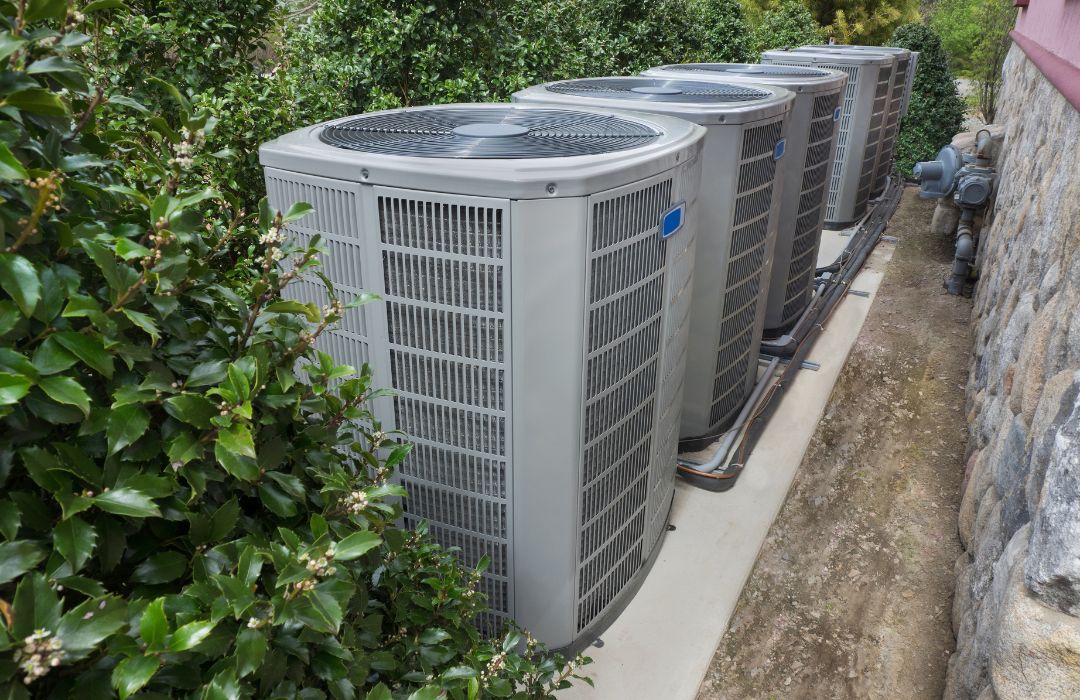
Multiple residential outdoor HVAC units installed beside a home

HVAC Repair for Atlanta Homes

When your heating or cooling system starts acting up, waiting too long can turn a manageable repair into a much bigger problem. Our residential HVAC repair services are built to identify issues early, fix them correctly, and help homeowners get their comfort back without unnecessary stress.

From thermostat malfunctions and airflow problems to refrigerant issues, worn components, and full system breakdowns, our technicians troubleshoot the source of the problem and recommend the repair your system actually needs.

We take the time to properly evaluate performance, explain what is going wrong, and complete repairs with a focus on long-term reliability. Whether your system is newer or aging, Insight Mechanical Service is here to help you protect your investment and keep your home comfortable year-round.

OUR APPROACH

How Our Repair Services Keep Your Home Comfortable
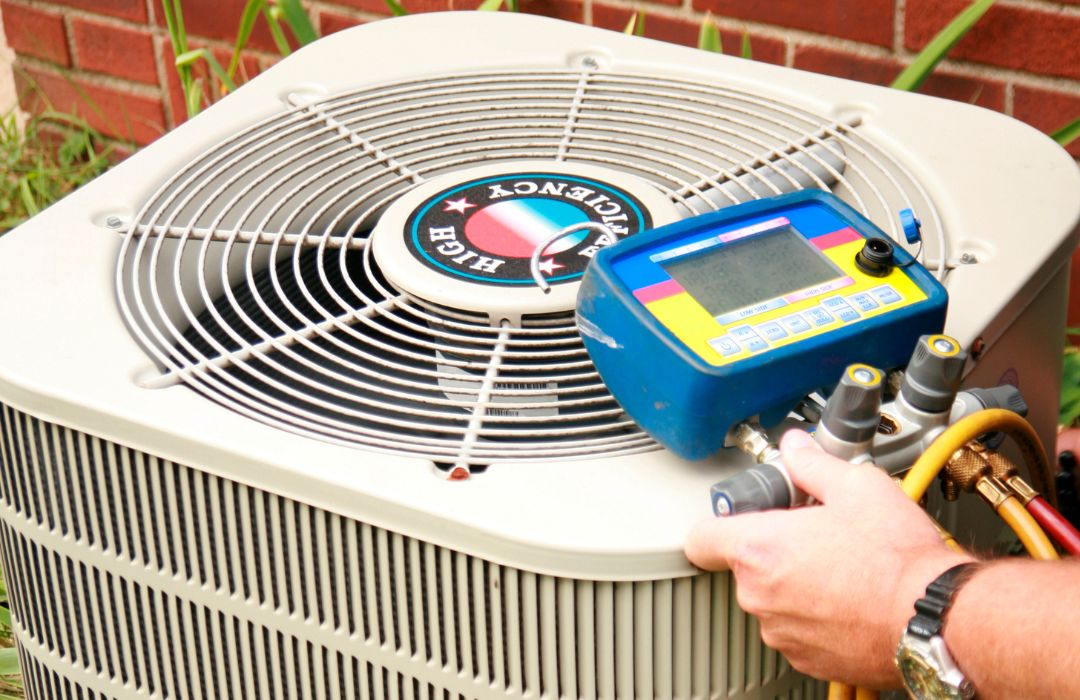
Technician checking indoor airflow during residential HVAC repair diagnostics

Fast Diagnostics for Heating and Cooling Problems

Residential HVAC issues are not always obvious from the symptoms alone. Poor airflow, uneven temperatures, rising utility bills, or frequent cycling can all point to different underlying problems, which is why accurate diagnosis matters.

Our technicians inspect system performance, key components, controls, and airflow to pinpoint what is causing the issue before recommending next steps. That approach helps homeowners avoid guesswork, repeat visits, and repairs that do not fully solve the problem.

Whether your AC is blowing warm air, your furnace is struggling to keep up, or your system is short cycling, our team works to identify the issue quickly and recommend the right repair. We troubleshoot common residential HVAC problems involving thermostats, capacitors, blower motors, airflow restrictions, refrigerant issues, electrical components, and more.

Repairs That Address the Root Cause

Some HVAC problems are caused by normal wear, while others develop from neglected maintenance, electrical issues, airflow restrictions, or failing parts. We focus on fixing the root cause so your system can operate more reliably after the repair is complete.

Whether we are replacing a worn capacitor, addressing blower motor issues, repairing a thermostat problem, or resolving a more complex system fault, our goal is the same: restore safe, efficient performance and help you avoid another breakdown as soon as possible.

We repair a wide range of residential systems, including central air conditioners, furnaces, and heat pumps, with solutions tailored to the condition of your equipment and the severity of the issue. When problems happen during extreme heat or cold, fast response matters, which is why timely residential HVAC repair can help restore comfort before a minor issue turns into a full breakdown
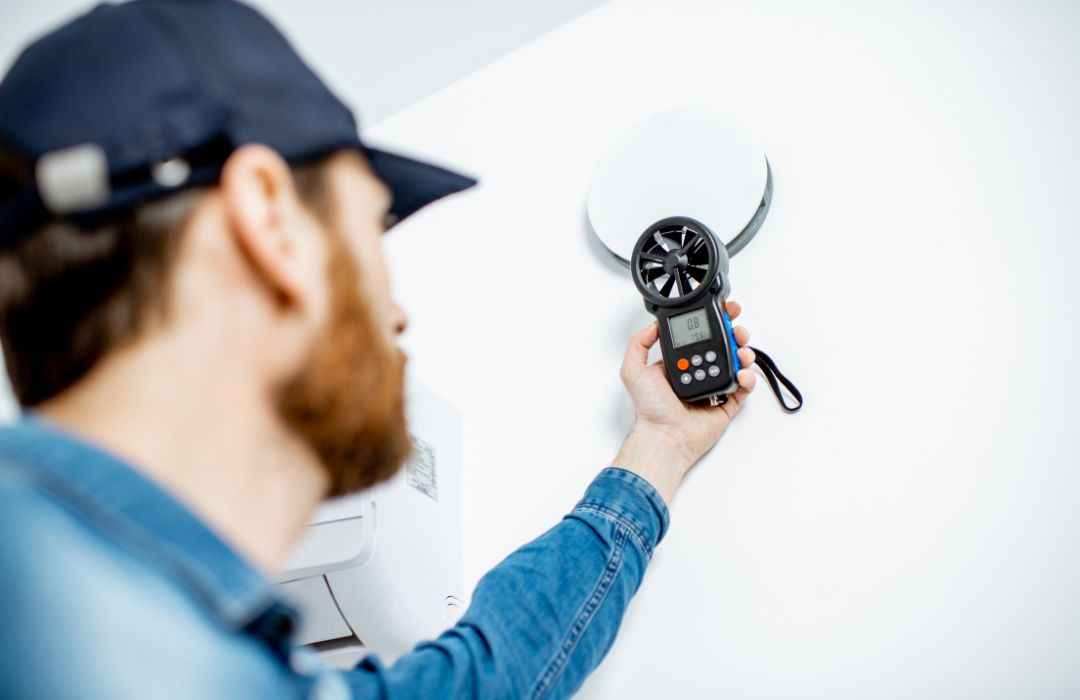
Technician checking refrigerant levels on a residential air conditioning unit during repair
THE FAQS

Frequently Asked Questions

We schedule same-day or next-day appointments whenever possible. If your AC system is completely down, especially during extreme heat, we treat it as a priority service call and work to get a technician to you as quickly as possible. Call us to check current availability and get on the schedule.

We can ask a few questions to help narrow things down, but an accurate diagnosis requires hands-on inspection. AC problems can stem from many different causes, like electrical failures, low refrigerant, a tripped safety switch, clogged drains, or a failing compressor. The only reliable way to identify the cause is to test the system in person. A phone estimate risks misdiagnosing the issue and could lead to unnecessary repairs.

If your system is not heating or cooling properly, is making unusual noises, short cycling, blowing weak airflow, leaking, or causing a sudden spike in energy bills, it is a good idea to schedule an inspection. Small performance issues often signal a larger problem developing inside the system.

Repair timelines vary depending on the issue, the condition of the system, and parts availability. Many problems can be resolved in a single visit, while more complex repairs may take longer. Our team works to diagnose the issue quickly, communicate clearly, and complete the repair as efficiently as possible.

Yes, many service calls turn out to have a simple fix. Dead thermostat batteries, incorrect thermostat settings, a tripped circuit breaker, a blown fuse, a clogged air filter, or a triggered safety float switch can all stop an AC system from operating. That said, tripped breakers and blown fuses are often symptoms of an underlying electrical or component failure, not the root cause. The technician will check all of these items as part of the standard diagnostic to rule out simple causes first.

That depends on the age of the system, the type of repair needed, and how often problems are happening. In many cases, a targeted repair is the right solution. If the system is older, breaking down repeatedly, or becoming inefficient, we can help you understand whether repair or replacement makes more sense.

Yes, in most cases, turning the system off is the safest option. If your AC is blowing warm air, icing up, making banging or grinding noises, leaking water, or repeatedly tripping the breaker, continuing to run it can cause additional damage. Turning it off protects the equipment and gives the technician a clean starting point for the diagnosis.

Water around your indoor unit is almost always caused by one of three things: a clogged condensate drain line, a frozen evaporator coil that has thawed and is releasing excess water, or a cracked or corroded drain pan. Turn the system off right away to prevent water damage to your home and surrounding components. A technician can clear the drain, address the root cause, and inspect for any secondary damage.

Unusual noises are often the first sign of a failing component. A banging or clanking sound typically points to a loose or broken part inside the unit. Squealing or screeching often indicates a failing motor. Hissing can signal a refrigerant leak. Clicking during startup or shutdown may indicate a failing relay or electrical issue. If you hear any of these, turning the system off and calling for service is the safest course. Running a unit with a mechanical problem often leads to more extensive and costly damage.

An AC that runs but doesn’t cool is one of the most common service calls we receive. Frequent causes include a dirty or clogged air filter restricting airflow, low refrigerant from a leak, a frozen evaporator coil, dirty condenser coils, a weak or failed capacitor, or a compressor problem. Some of these have straightforward fixes; others require more involved repairs. A technician will test the system to pinpoint the exact cause before recommending a solution.

Repair costs vary depending on what has failed, the parts required, and the time involved. What we can guarantee is this: the technician diagnoses the problem first, then provides upfront pricing for all repair options before any work begins. You will never be charged for a repair you did not approve.

The answer depends on the age of the system, the repair cost relative to replacement value, the refrigerant type, warranty status, and overall efficiency. As a general guideline, if the repair cost exceeds 50% of the cost of a new system and the unit is more than 10 years old, replacement is often the better long-term investment. After diagnosing the issue, the technician will give you an honest assessment of both options so you can make an informed decision.